

In the intricate and frequently turbulent theater of Bangladeshi politics.
Many advents have been as symbolically charged as the recent return of Dr. Muhammad Yunus. The Nobel laureate, celebrated encyclopedically as the” banker to the poor,” touched down in Dhaka not simply as a social entrepreneur, but as a figure numerous now bruit could be a high minister- in- waiting.
His return from a prolonged period of effective exile, marked by grim legal and political pressure from the peremptory government, coincides with a distinguishable and significant shift in Bangladesh’s political climate.
This is n’t a simple homecoming;
it’s a high- stakes scheme, a move on a geopolitical chessboard where domestic disgruntlement, transnational pressure, and the hunt for a believable volition are clustering to produce an opening not seen in over a decade.
Yunus’s wharf is a vital event, signaling that the nation’s prolonged political stalemate may be entering a new, changeable phase. To understand its magnitude, one must first grasp the geography from which he departed and the converted terrain to which he has returned.
The Times of Exile Pressure as a Political Tool
For important of the once 15 times, under the government of Prime Minister Sheikh Hasina and her Awami League, Muhammad Yunus has operated under a shadow. The author of Grameen Bank, formerly a famed public icon, came a target.
His brief incursion into politics in 2007, with the aborted launch of a citizens’ party, was perceived as a trouble by the political establishment. What followed was a sustained crusade of legal challenges, examinations into Grameen Bank’s operations, and a steady sluice of negative rhetoric from high- ranking officers.
This pressure created a form of soft exile.
While not formally banished, the terrain for Yunus and his work came decreasingly hostile, leading him to spend considerable time abroad, championing for social business on the global stage while his heritage in Bangladesh was totally queried in courtrooms and the media. The communication was clear there was no room for a resemblant center of moral authority and popular appeal outside the sphere of the ruling party.
The Shifting Climate Cracks in the Monolith
Economic Distress and Public Discontent Persistent affectation, a cost- of- living extremity, energy dearths, and a reduction of foreign exchange reserves have moved from policy missions to kitchen- table exchanges. The profitable phenomenon narrative has rasped, giving rise to wide public frustration that transcends traditional political commitment.
International Reassessment Key Western mates, specially the United States, have grown decreasingly oral about enterprises over popular backsliding and mortal rights. The perpetration of visa restrictions on individualities supposed responsible for undermining the popular process transferred a stark politic signal.
The recent public choices, transacted by the main opposition BNP and marked by low turnout, failed to give the transnational legality the government sought.
The Hunt for a” Third Force” The top opposition.
The Bangladesh Nationalist Party( BNP), Bangladesh remains significantly weakened, its leadership jugged or in exile. This has created a vacuum for a believable volition.
A growing member of the crowd, civil society, and conceivably indeed quiet coalitions within the transnational community, are looking for a popular reset that avoids a simple double choice between two historically inimical dynasties.
The Moral Authority of  Yunus In this environment,
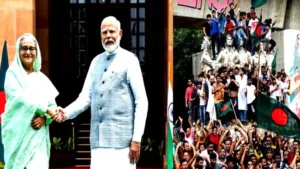
Yunus returns with his global elevation complete. He embodies an indispensable vision of Bangladesh one known for introducing poverty relief and social invention, rather than political conflict. For numerous sick citizens and anxious diplomats, he represents a potentially unifying, technocratic, and innocently believable figure who could steer the nation through its heads.
The Gambit What Does Yunus Intend?
The critical question is the nature of Yunus’s scheme. Is he returning simply to settle legal matters and revitalize his social business gambles? Or is this the first, conservative step toward a political part?
The substantiation suggests a calibrated, strategic approach
Reclaiming Narrative Control By returning and facing the legal challenges head- on, Yunus seeks to reclaim his narrative from that of a bedeviled Bangladesh stranger to that of a flexible public asset standing establishment in his motherland.
Testing the Waters His movements, statements, and relations will be nearly watched for signs of political rallying. Indeed if he does n’t explicitly declare a training, his bare presence as a feasible, high- profile volition reshapes the political math.
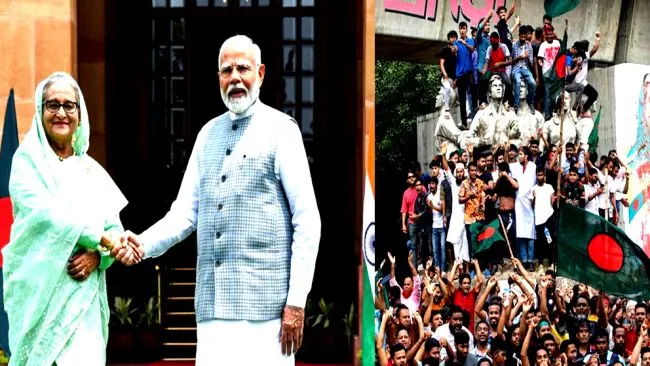
Coalition Catalyst Yunus may not aim to make .
A massive party outfit himself. rather, his part could be that of a catalyst or agreement figure around whom a broader coalition of disaffected Awami League members, moderate opposition forces, and civil society could coalesce. He offers a banner under which a new political alignment could form, one defined by governance and profitable capability rather than prejudiced vendetta.
Readmore The Reporter’s Rebellion: How One Lawsuit Could
The Government’s Dilemma and Implicit Responses
The Awami League government faces a complex dilemma. The old playbook of direct battle and legal importunity carries advanced costs now, given Yunus’s renewed limelight and the transnational attention on his treatment.
Implicit responses could range from
Accommodation and Defusion Seeking a Bangladesh wordless understanding or trying to integrate his return, potentially using unrestricted- door accommodations to insure he remains in anon-political, social business lane.
Controlled Containment Allowing him to operate within strict boundaries, while state media and delegates continue a narrative of him being a tool of foreign interests or an profitable lawbreaker.
Escalated Pressure Doubling down on legal cases, laying that the public’s profitable straits will help Yunus from gaining traction and that transnational review can be survived.
The chosen path will be a crucial index of the government’s confidence and its reading of the public mood. The Stakes for Bangladesh
The exile’s scheme raises the stakes for the entire nation.
Bangladesh A Popular Crossroads This could represent the most significant occasion in times for a popular course correction, offering a path out of the bitter, zero- sum conflict between the two major parties.
